
The ability to communicate is one of the most powerful tools a child can possess. Long before children master reading and writing, they begin to express themselves through speech, gestures, and sounds. Play school plays a vital role in nurturing this natural ability. Through songs, stories, rhymes, and interactive play, children develop strong foundations in speech and language-skills that prepare them for academics and social life.
As the saying goes, "Bachpan ki boli hi sabse meethi hoti hai." (The language of childhood is the sweetest of all.) By encouraging little ones to listen, talk, and share in fun ways, play schools give them confidence in their voice and clarity in their thoughts.
Language is more than just words-it is how children express needs, build friendships, and explore knowledge. Strong communication skills help children:
Play schools ensure this growth happens naturally and joyfully, without the pressure of formal learning.
Rhymes are more than fun melodies-they build vocabulary, rhythm, and pronunciation. Action songs like "Lakdi ki kaathi" or "Twinkle Twinkle Little Star" connect sound with movement, making words easier to remember.
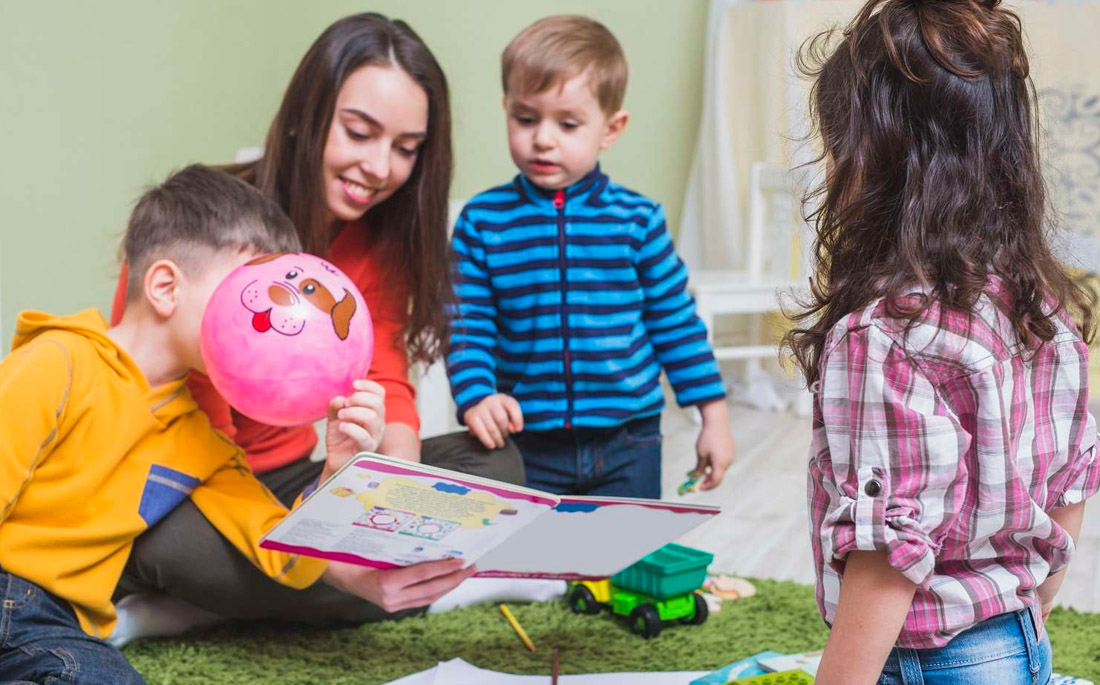
Teachers narrate simple stories, often using props, puppets, or big picture books. Children learn to listen attentively, pick up new words, and retell stories in their own way. This enhances memory, sequencing, and vocabulary.
From pretending to be a doctor or shopkeeper to acting in small plays, role play helps children practice real-life conversations. It improves sentence formation and teaches them how to respond in different situations.
During circle time, teachers ask children about their day, favorite food, or family. Answering in front of peers builds confidence. Listening to others also develops patience and comprehension.
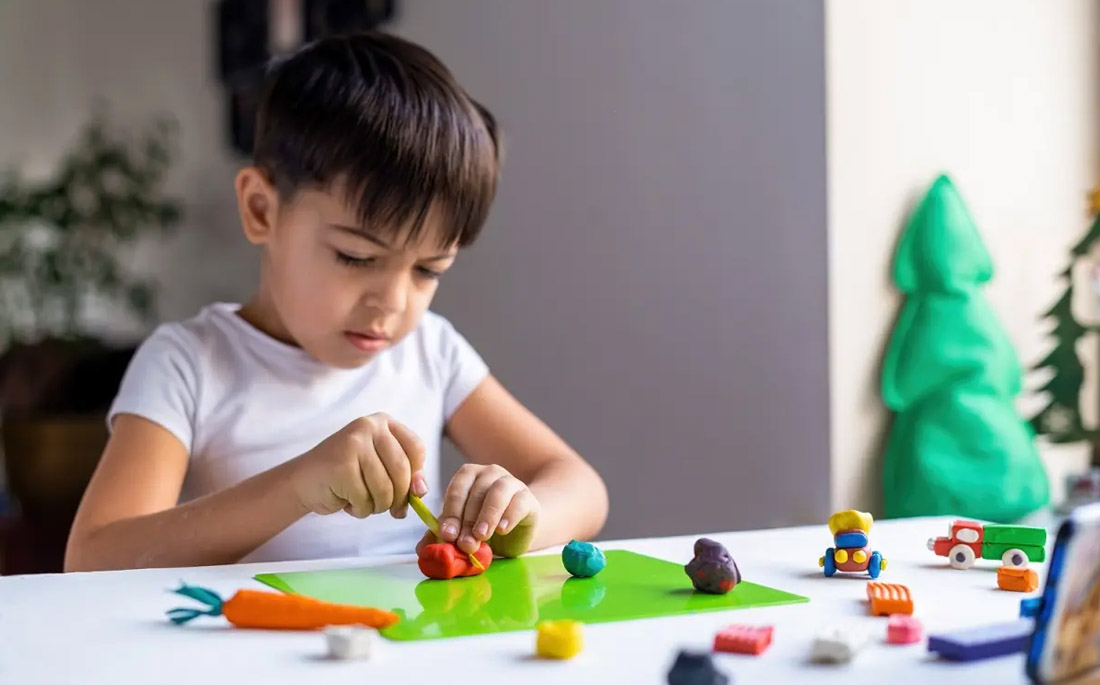
Drawing or building with blocks may seem non-verbal, but when children describe their work-"Yeh mera ghar hai," (This is my house)-they connect thoughts with words, enhancing descriptive skills.
Teachers act as language role models, speaking clearly, introducing new words, and encouraging children to ask questions. Parents can extend this at home by:
As we often hear, "Bachche wohi bolte hain jo hum unse roz bolte hain." (Children speak what they hear daily.) The environment created at home and school together strengthens language learning.
Children who develop strong speech and language skills early:
Play school is, therefore, not just about ABCs-it is about giving children a voice that will carry them through school, friendships, and life.
Play school activities may look simple-singing, storytelling, role play-but they are powerful tools shaping a child's ability to communicate. With each rhyme sung and story told, children are not just learning words, they are learning to express, connect, and imagine.
Speech and language development at this stage is not about perfection, but about confidence and clarity. And that's exactly what play schools provide-a safe, joyful space where every word spoken by a child becomes a step towards growth.
1. At what age do children start developing speech and language skills? Children begin babbling by 6 months, say words around 12 months, and form short sentences by age 2. Play school between 2-4 years greatly enhances this growth.
2. How do play schools improve children's speech? Through rhymes, songs, storytelling, role play, and interactive discussions, play schools expose children to new vocabulary and encourage confident speaking.
3. Should parents use English or mother tongue at home? Both! Speaking in the mother tongue builds strong cultural and emotional bonds, while English exposure prepares children for formal education. A balance of both works best.
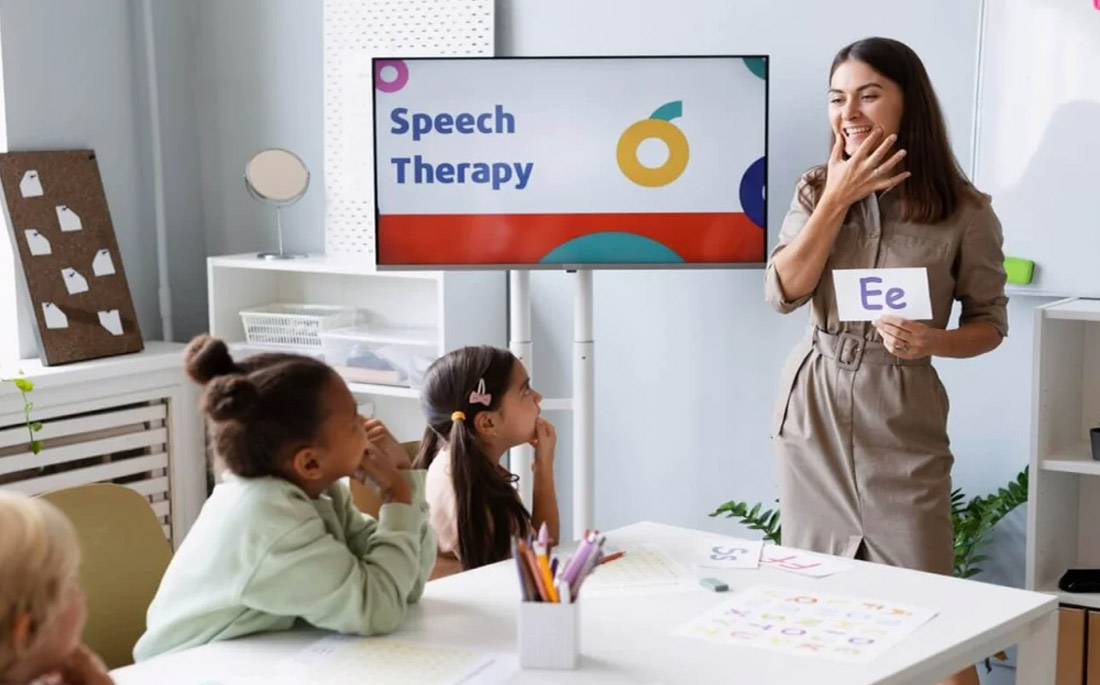
4. What if my child speaks late? Every child develops at their own pace. Play schools provide encouragement through activities, but if a child shows significant delay, consulting a speech therapist is recommended.
5. How can parents support language skills at home? Parents can read stories, encourage conversations, reduce screen time, and ask open-ended questions to stimulate speech and thinking.