
Every parent dreams of seeing their child walk confidently into the first day of kindergarten-smiling, curious, and ready to learn. But here's the truth: that confidence doesn't appear overnight. It's built step by step, and the journey often begins at play school.
Play schools are more than colorful classrooms with toys and rhymes. They are the foundation stones that prepare children academically, emotionally, and socially for the structured world of kindergarten and beyond. As the saying goes, "Bachpan ki neeve jitni mazboot hoti hai, zindagi ka imaarat utni hi buland hoti hai." (The stronger the foundation of childhood, the taller the building of life.)
Let's explore how play school sets the stage for lifelong learning.
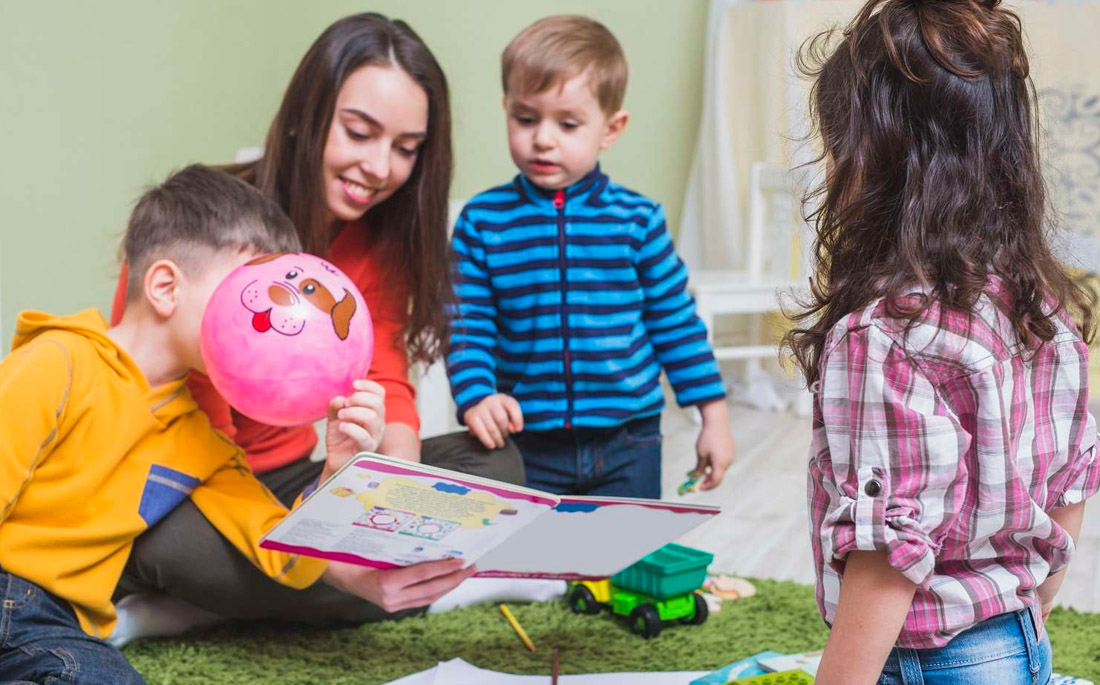
For many children, play school is their first experience of being away from home. It's where they learn how to interact with peers, listen to teachers, and express themselves in a group setting.
In Indian culture, where relationships and community hold great value, these lessons give children the courage to connect with others-whether in school or life.
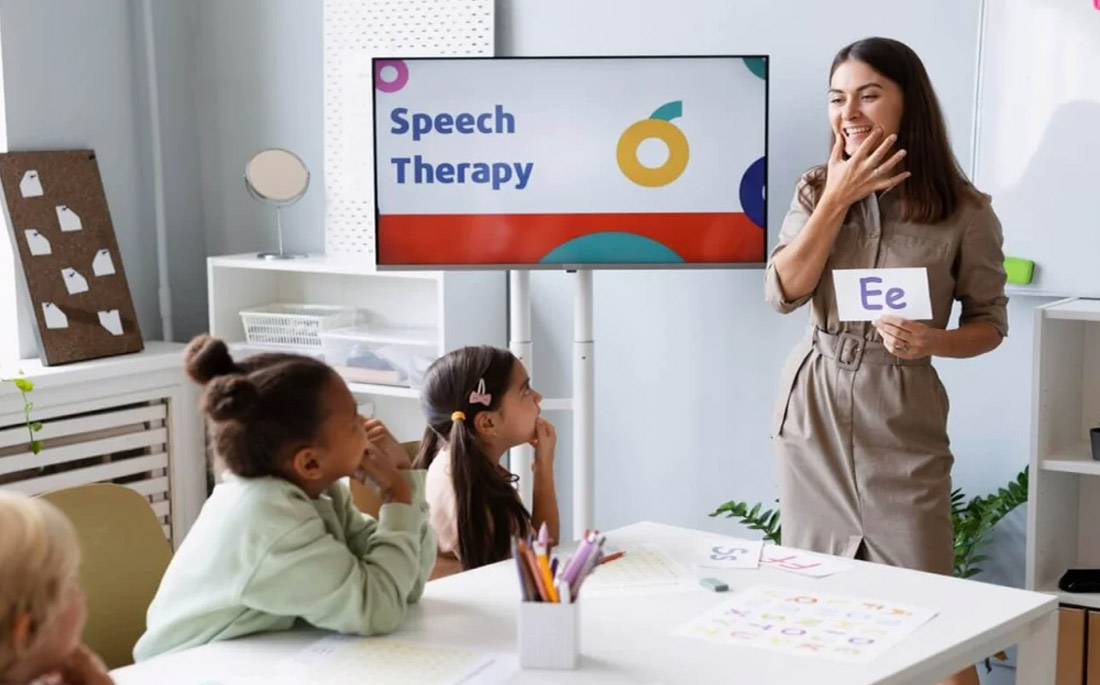
Many parents worry: "Will my child be able to cope with kindergarten lessons?" Play schools bridge that gap beautifully by introducing learning in a playful, stress-free way.
Children step into kindergarten not as blank slates, but as eager learners who already recognize patterns of learning.
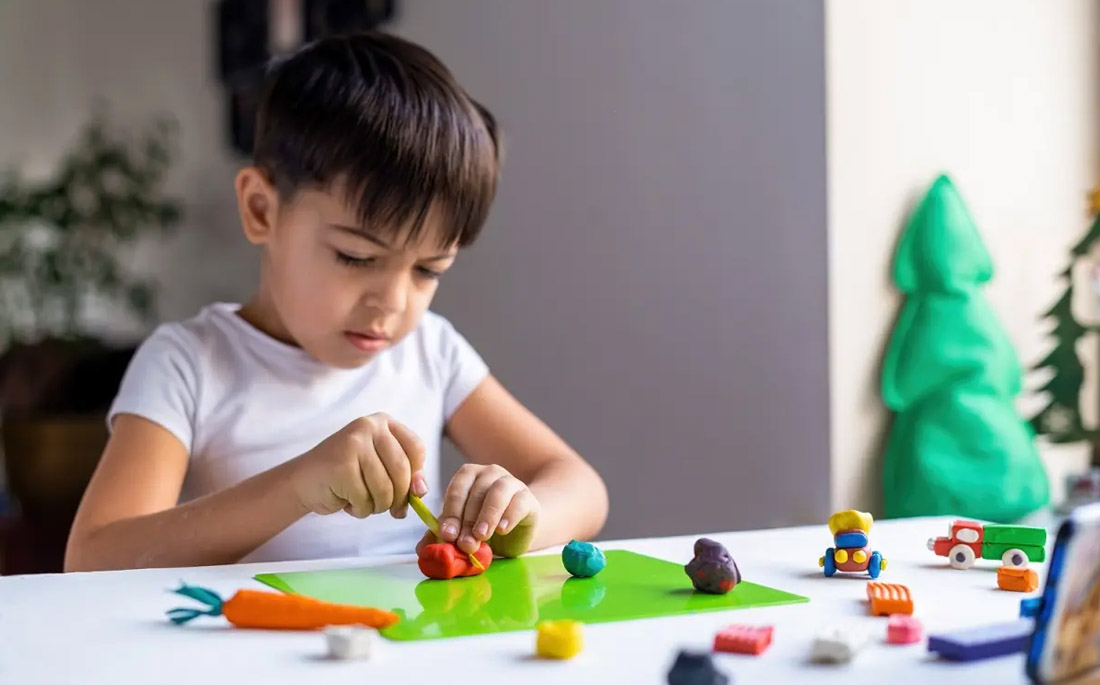
Play schools emphasize activities that strengthen both fine motor skills and gross motor skills, crucial for kindergarten tasks.
These physical skills ensure that children can handle tasks like writing, cutting, or carrying their school bag with ease.
Kindergarten has structure-timings, lessons, and rules. Play school prepares children for this transition without making it overwhelming.
As we often hear, "Chhoti chhoti zimmedariyan bachchon ko bade sapno ke liye tayaar karti hain." (Small responsibilities prepare children for big dreams.)
At its heart, play school is about exploration. Children are encouraged to ask questions, experiment with colors, listen to stories, and create their own. This builds imagination and problem-solving skills that go far beyond academics.
In India, where rote learning often dominates later schooling years, this early exposure to creative thinking ensures that children don't lose their natural curiosity.
For parents, one of the biggest fears is separation anxiety. Play schools handle this gently, becoming a "second home" where children feel safe and loved.
This emotional security ensures children step into kindergarten with trust and positivity rather than fear.
Good play schools also focus on parent engagement. Through parent-teacher meetings, workshops, and updates, they help parents understand child psychology, development milestones, and ways to support learning at home.
This partnership between school and home strengthens the child's growth journey.
The benefits of play school don't stop at kindergarten readiness. The habits, values, and confidence built here echo throughout life. A child who learns to share toys today will grow up to share ideas tomorrow. A child who learns to manage emotions in play school will later handle stress at work with maturity.
Play school, in essence, is not about preparing for school-it's about preparing for life.
As parents in India, it's natural to focus on academic milestones-alphabets, numbers, and homework. But equally important is the holistic growth that play school provides. By blending fun with learning, freedom with discipline, and creativity with structure, play schools prepare children not just for kindergarten, but for the many classrooms of life ahead.
So the next time you drop your child at play school, remember-you're not just leaving them to play with toys. You're giving them the tools, values, and confidence to build strong foundations for a lifetime.
1. Why is play school important before kindergarten? Play school helps children build social confidence, basic academic readiness, and emotional stability. It ensures that when they step into kindergarten, they feel secure, independent, and eager to learn.
2. At what age should I enroll my child in play school? Most play schools in India accept children between 18 months to 3 years, depending on the program. By the time they reach 4 years, they are usually ready for kindergarten.
3. What skills does my child learn in play school? Children learn social skills (sharing, caring, teamwork), academic readiness (alphabets, numbers, colors), motor skills (running, drawing, writing grip), and emotional intelligence (confidence, managing feelings).
4. How does play school prepare children for discipline in kindergarten? Through structured routines like circle time, snack breaks, and clean-up activities, children gradually learn discipline, time management, and classroom etiquette-making the transition smoother.
5. How can parents support kindergarten readiness at home? Parents can encourage reading small storybooks, involving children in daily tasks, practicing simple counting, and reinforcing good habits like tidying up or sharing with siblings.